
Rishi Vidyalaya Celebrates National Handloom Day with a Visit to Dharmavaram Weavers
Key Takeaways
- Students visited renowned handloom weavers in Dharmavaram.
- They learned how traditional silk sarees are created.
- The visit promoted cultural awareness and experiential learning.
- Students interacted directly with skilled artisans.
- The activity highlighted the importance of preserving Indian handloom traditions.
National Handloom Day Celebration at Rishi Vidyalaya
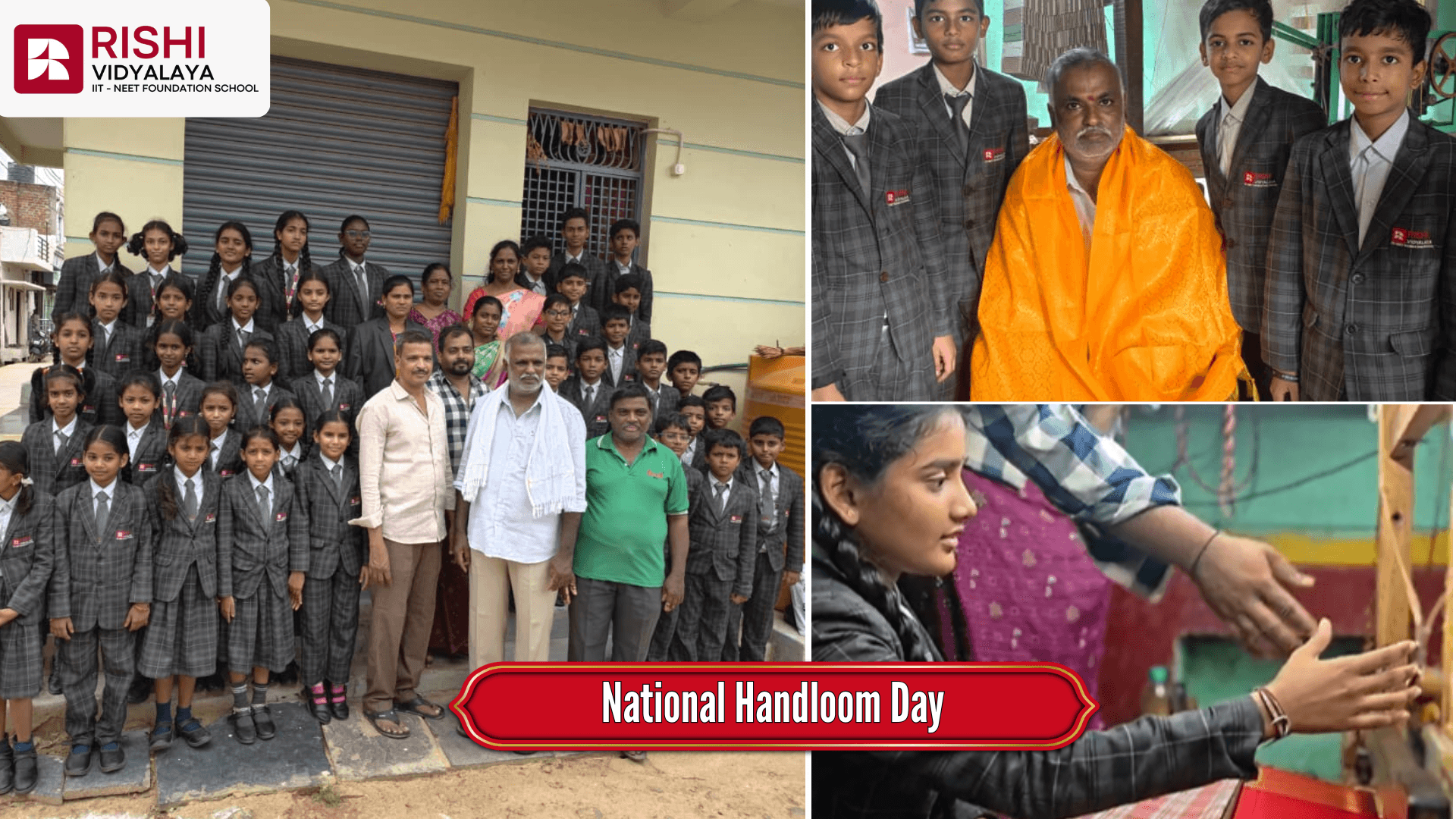
Education becomes more meaningful when students experience learning beyond textbooks. To mark National Handloom Day, students of Rishi Vidyalaya participated in a special educational visit to local handloom weaving centers in Dharmavaram.
Known across India for its exquisite silk sarees and weaving traditions, Dharmavaram provided the perfect setting for students to understand the artistry, dedication, and cultural value behind handloom weaving.
The visit offered a unique opportunity for students to witness the complete weaving process and appreciate the hard work of artisans who continue to preserve this centuries-old craft.
Why National Handloom Day Is Celebrated
National Handloom Day is observed every year on August 7 to recognize the contribution of India's handloom industry and the millions of artisans who sustain this traditional sector.
The day serves as a reminder of the importance of supporting local craftsmanship while preserving India's rich cultural heritage for future generations.
Through this celebration, students gain a deeper understanding of the value of handmade products and the communities that create them.
Students Explore the Heritage of Dharmavaram Handloom
Dharmavaram is widely recognized for its handwoven silk sarees, admired for their intricate designs, vibrant colors, and superior craftsmanship.
During the visit, students observed various stages involved in the weaving process and learned how traditional techniques are passed down through generations.
Students Learned About:
- Yarn preparation techniques
- Dyeing and coloring processes
- Loom setup and operation
- Traditional weaving methods
- Saree design and pattern creation
- Quality control and finishing processes
Watching skilled artisans work with precision and patience helped students understand the level of expertise required to create each handwoven masterpiece.
Learning Beyond the Classroom
Experiential learning activities provide students with valuable insights that cannot always be gained through classroom instruction alone.
The handloom visit connected concepts from history, culture, economics, and social studies with real-world experiences.
Benefits of the Educational Visit
- Improved cultural awareness
- Greater appreciation for traditional crafts
- Understanding of local industries
- Enhanced observation and communication skills
- Practical learning through direct experience
These experiences encourage curiosity and help students become more aware of the diverse professions that contribute to society.
Interaction with Skilled Weavers
One of the most engaging parts of the visit was the interaction between students and local artisans.
Students had the opportunity to ask questions about the weaving process, challenges faced by handloom workers, and the effort involved in creating a single saree.
The weavers shared personal experiences and explained how traditional skills have been preserved within families for generations.
This interaction helped students understand the dedication and passion required to sustain traditional crafts in a rapidly changing world.
Understanding the Value of Handcrafted Products
In an age where machine-made products are widely available, students learned the significance of handcrafted items and the time required to produce them.
They discovered that every handwoven saree represents hours of meticulous effort, creativity, and technical expertise.
The experience encouraged students to value quality craftsmanship and recognize the importance of supporting local artisans.
Building Cultural Awareness Through Education
At Rishi Vidyalaya, learning extends beyond academic achievement. Activities such as field visits and community interactions help students develop broader perspectives and a deeper appreciation for cultural heritage.
The National Handloom Day celebration served as a meaningful reminder that education is not limited to textbooks but also includes understanding the traditions, skills, and values that shape society.
Students Developed:
- Respect for traditional occupations
- Awareness of India's cultural heritage
- Community engagement skills
- Appreciation for local craftsmanship
- Understanding of sustainable livelihoods
How Such Activities Support Holistic Development
School activities that involve real-world learning experiences contribute significantly to student development.
Educational visits encourage critical thinking, observation, communication, and social awareness while making learning more engaging and memorable.
By participating in activities that connect classroom knowledge with practical experiences, students become more informed, responsible, and culturally aware individuals.
Final Thoughts
The National Handloom Day celebration at Rishi Vidyalaya was an enriching experience that allowed students to explore the remarkable weaving heritage of Dharmavaram.
Through direct interaction with skilled artisans and firsthand observation of traditional weaving techniques, students gained valuable insights into India's rich cultural legacy.
The visit reinforced the importance of preserving traditional crafts, respecting local communities, and embracing learning opportunities beyond the classroom.
Frequently Asked Questions
Why is National Handloom Day celebrated?
National Handloom Day is celebrated to recognize the contribution of India's handloom industry and honor the artisans who preserve traditional weaving techniques.
Why is Dharmavaram famous for handloom weaving?
Dharmavaram is known for its high-quality silk sarees, intricate weaving patterns, and rich handloom heritage that has been preserved for generations.
What did students learn during the handloom visit?
Students learned about yarn preparation, dyeing, loom operation, weaving techniques, and the effort required to create handwoven products.
How do educational visits benefit students?
Educational visits provide practical learning experiences, improve cultural awareness, and help students connect classroom concepts with real-world applications.
Why is preserving handloom traditions important?
Preserving handloom traditions protects cultural heritage, supports artisan livelihoods, and ensures that traditional skills continue to be passed on to future generations.